


Ready for a new look? Redecorating your home can be minor (a new rug, new accessories like candles and throw pillows), or major (painting, new countertops, new floors). Before you take on a big project, you may want to take a look at what the design trends are. Here’s what to look for in 2025: Brown, Bold, and Biophilic.
Brown
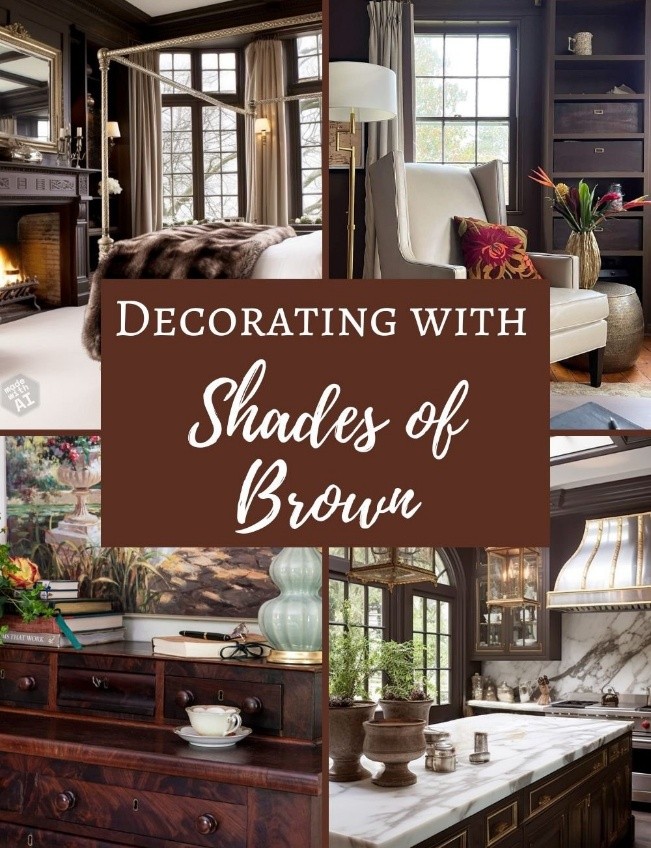
“Rich, warm browns will take center stage this year,” says designer Steven Skutelsky. He notes that traditional wood stain colors like Saddle, Special Walnut, Early American, and Provincial are making a comeback. “Pairing these shades with soft furnishings and muted colors creates a welcoming vibe—think cozy cashmere.” Honey and dark walnut are also making their way back into flooring and wall treatments.
Colors like brown, maroon, navy, and olive green have been popping up in many recent projects. People are moving away from all-white interiors in favor of shades that evoke warmth and comfort.
“Our favorite trend has been using warm browns as the dominant color in home palettes,” says designer Carly Shafiroff. “Brown adds sophistication and warmth, especially when layered with other tonal colors. It creates a space that feels restorative and easy to live in. We especially love using deeper, red or purple-based browns in dining rooms for our more adventurous clients.”
Bold
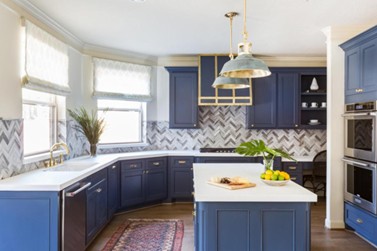
When it comes to kitchens, bold colors are making their mark. Designers agree that kitchens are embracing personality, moving away from neutral, cookie-cutter designs. “Gone are the days of uniform kitchens. Now, it’s all about individuality,” says lifestyle expert Peter Som. “Consider adding art to your backsplash or mixing heirlooms with modern design to make the space feel both timeless and fresh. Personalize your appliances—Wolf offers customizable knobs and bezels, so you can add a touch of color or sophistication to your kitchen.”
The trend is not limited to walls or kitchen decor—expect bold, vibrant cabinet colors too. From burgundy to navy to sage green, designers say all-white kitchens are officially out for 2025.
Lighting is also undergoing a transformation. “Statement lighting fixtures and layered illumination will be big in 2025,” says designer Kara Childress. “Architectural lighting like sconces, chandeliers, and sculptural floor lamps will replace basic, functional lights. By combining task, accent, and ambient lighting, rooms can shift in mood throughout the day.”
Bathrooms are also getting a makeover. Powder rooms and guest bathrooms are becoming standout spaces with bold, dramatic colors and eye-catching design elements. “We’re mixing moody tones with unexpected bright pops of color—think deep burgundy with a hint of lime,” says designer Maura Clark.
Biophilic
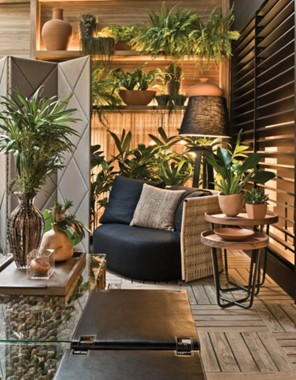
Never heard of biophilic before? Neither had we. Biophilic design is simply put using natural elements like plants, organic materials, and light in interiors. One of the big trends for the year is natural materials, colors, and textures.
“Sensory features like tactile textures, aromatic elements, and adjustable lighting will promote relaxation,” says Skutelsky. Materials such as natural stone, textured tiles, and wood accents enhance this calming vibe.
Natural, sustainable materials are growing in popularity. “People are increasingly aware of the dangers posed by hazardous chemicals and are turning to safer, cleaner options,” says Joel Hirshberg, owner of Green Building Supply. Materials like hardwood flooring and wool carpet are becoming more desirable.
As interior designer Paula Dixon explains, “Incorporating nature’s elements—plants, waterfalls, and rock walls—helps create a peaceful, tranquil environment.” This biophilic approach not only boosts well-being but also fosters a deeper connection with the natural world.
Hope this inspires you to begin your redecorating project!
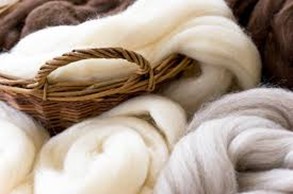
Wool Is The Ultimate Biophilic Floor
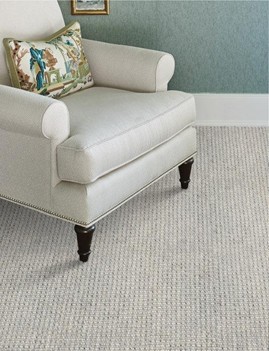
Wool carpets can add a touch of luxury and comfort to your home, but they come with their own set of advantages and drawbacks. Here's a breakdown of the pros and cons:
Pros
Durability: Wool is a resilient fiber that can withstand heavy foot traffic and still maintain its appearance.
Comfort: It provides a soft, plush feel underfoot, making it comfortable to walk on.
Insulation: Wool is an excellent insulator, keeping your home warm in the winter and cool in the summer.
Natural Fiber: Being a natural, renewable resource, wool is an eco-friendly option.
Stain Resistance: Wool has a natural ability to repel stains and spills due to its coating of lanolin.
Noise Reduction: It effectively reduces noise, creating a quieter environment.
Cons
Cost: Wool carpets are almost always more expensive compared to synthetic options.
Staining: There is no written stain warranty on wool and wool blend carpet. Wool is naturally stain resistant but not stain proof. There are specific cleaning instructions for wool because some chemicals, spills, and stains will permanently discolor wool and wool blend carpet.
Maintenance: They require regular maintenance, such as vacuuming and occasional professional cleaning, to keep them looking their best.
Susceptibility to Moisture: Wool can absorb moisture, making it prone to mold and mildew in damp conditions.
Sensitivity to Chemicals: Harsh chemicals and cleaning agents can damage wool fibers.
Allergens: While wool itself is hypoallergenic, it can trap allergens like dust and pet dander, which may require frequent vacuuming for allergy sufferers.
Considerations
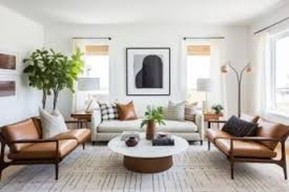
Initial Investment vs. Longevity: Though wool carpets have a higher upfront cost, their durability can make them a cost-effective choice in the long run.
Aesthetic Appeal: Wool carpets often have a high-end, luxurious look that can elevate the decor of any room.
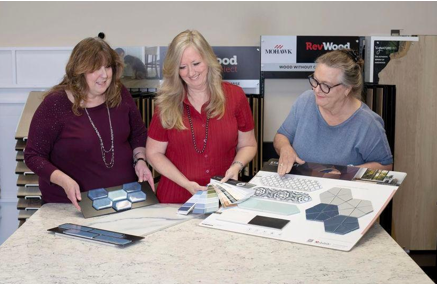
Is there a particular room or area in your home where you're thinking of installing wool carpet? Your Enhance Design Consultant is here to help you determine if wool carpet is there right choice for your home.
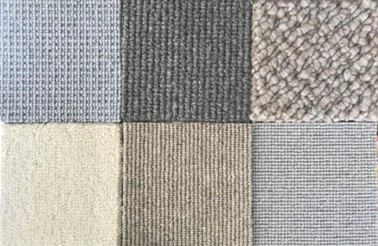
How Much Does it Cost?
There is a wide range in price for wool carpet. There are some styles that are a similar price to higher end SmartStrand and Nylon carpets. And there are some styles that are over $30 per square foot (not yard) – and that’s just for the carpet!
You may be wondering why such a wide range in price. Key factors include quality of the wool, how the carpet is manufactured, and the plushness of the carpet.
Quality of the Wool
Higher-end wool carpets are made from finer, softer wool, often sourced from specific breeds of sheep, like Merino. This wool tends to be more durable, luxurious, and resistant to wear, but it also costs more to produce.
Production Process
More expensive wool carpets usually go through more intricate and labor-intensive manufacturing processes, such as hand-tufting, hand-knotting, or even custom dyeing, which add to the cost.
Density and Pile Height
The density (closeness of the fibers per square inch) and the height of the pile (how thick and plush the carpet feels) also affect the price. Higher density carpets generally last longer and have a richer feel, so they tend to be pricier.
High quality wool carpets are a long-term investment, which is why they cost more upfront. If you want a carpet that will last, come in today and take a look at our large selection of wool carpets.


