Should I File An Insurance Claim


The weather has been crazy lately, hasn’t it? In just the past couple of weeks we have had a confirmed tornado in Cobb County, really low temperatures, and now a wintry mix on the way. Hopefully you haven’t had any damage. But if you have:


Filing a homeowner's insurance claim is an important decision that should be made carefully. You want to ensure that the damage or loss you're experiencing is covered under your policy, and you should consider the impact of filing a claim. Here are some general guidelines on when it’s appropriate to file a homeowners insurance claim:


When Damage Exceeds Your Deductible
 

·    What is a Deductible? Your deductible is the amount of money you must pay out of pocket before your insurance coverage kicks in. If the damage or loss is less than your deductible, don’t, as you’ll have to pay the full amount out-of-pocket anyway.

·    When to file: If the damage is significantly higher than your deductible (e.g., $1,000 damage with a $500 deductible), filing a claim can make sense. A good rule of thumb is the claim should be at least two times your deductible before you file.


When the Cause of Damage is Covered by Your Policy
 

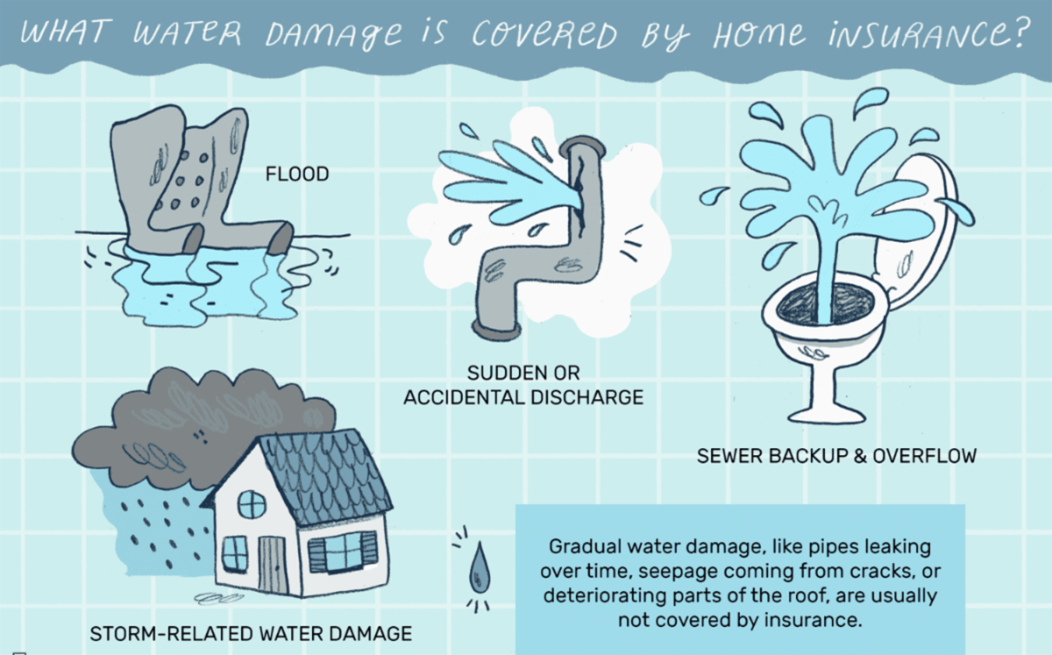
·    Homeowner's insurance policies usually cover damage caused by specific events, like fire, vandalism, lightning, wind, hail, theft, or burst pipes.

·    When to file: If the damage is from a covered peril and is significant enough to exceed your deductible or if repairs are complex and costly, it's appropriate to file.


After Significant Damage (e.g., Fire, Storms, or Theft)
 

·    If a major event (fire, tornado, hurricane, or vandalism) has caused substantial damage, it is likely covered under your policy, and you should file a claim immediately.

·    When to file: After a serious event like a fire, flood, or burglary, file a claim as soon as possible to ensure coverage and start the recovery process.


When You Cannot Afford the Full Cost of Repairs
 

·    If you don’t have the money to pay for repairs out-of-pocket, filing a claim might be your only option. Homeowner's insurance can cover repairs for significant damage, which is particularly useful if the damage would be financially devastating to repair yourself.

·    When to file: If your home has extensive damage (like a broken roof or plumbing issues), and you cannot afford the repairs, filing a claim might be necessary.


For Liability Claims (Injury or Property Damage)
 

·    If someone is injured on your property or you cause accidental damage to someone else's property, your homeowner’s insurance may cover legal fees and settlement costs. This is especially relevant for incidents like slip-and-fall accidents or if a tree on your property damages a neighbor’s property.

·    When to file: If there’s an injury or significant damage to others, file a claim to protect yourself from liability.


When You Have Extensive or Unclear Damage
 

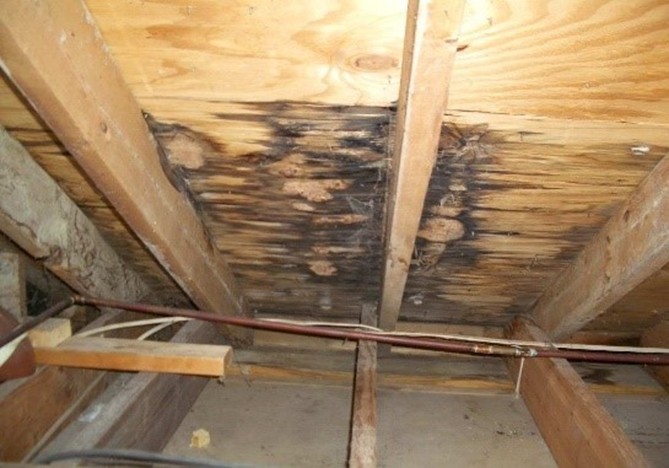
·    Sometimes damage may not be immediately visible (e.g., mold after water damage or structural issues after a storm). If the damage is unclear but could be significant, it’s wise to file a claim, so an insurance adjuster can evaluate the extent of the damage.

·    When to file: If you suspect that the damage could be more widespread than initially apparent, or if you’re unsure if the damage is covered.


When a Claim Can Improve Your Financial Situation
 

·    Filing a claim can provide financial relief in cases where repairs or replacements would be prohibitively expensive. The goal is to restore your property to its original condition without incurring a major financial loss.

·    When to file: If a major appliance is damaged or your home’s structural integrity is compromised, and you cannot afford repairs or replacement, filing a claim is a good option.


When Not to File a Claim
 

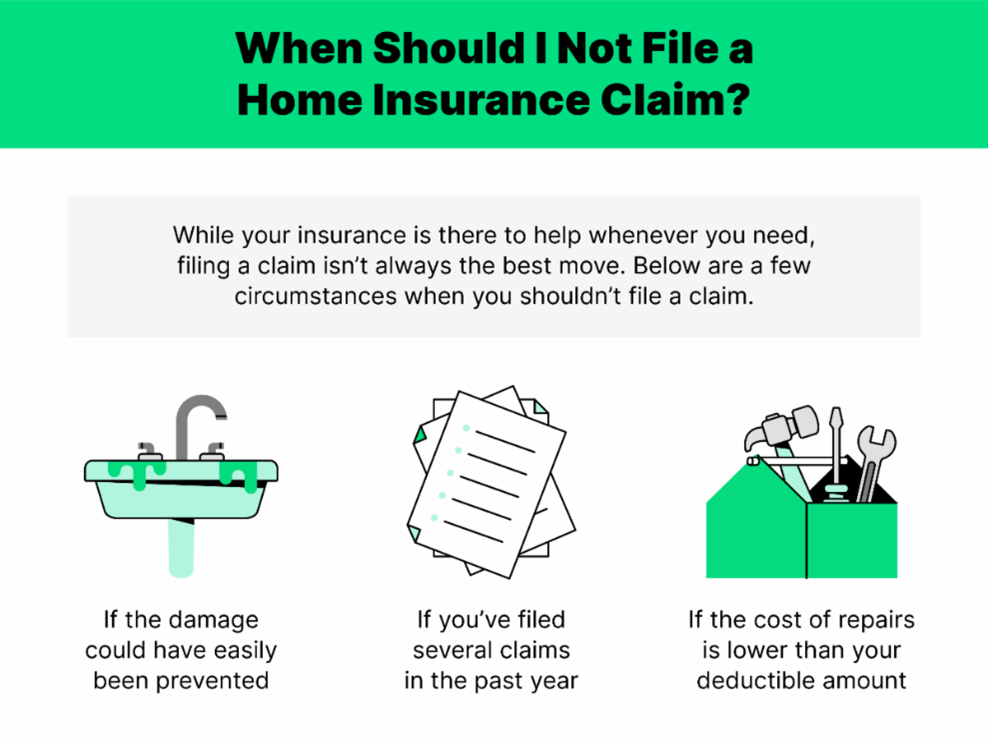
·    Minor Damage: If the damage is minor or the repair cost is close to or less than your deductible, don’t file the claim.

·    Frequent Claims: Filing multiple claims in a short period of time can lead to higher premiums or even policy non-renewal. If the damage is minor, it's often better to handle it out of pocket.

·    Excluded Causes: If the damage results from a peril not covered by your policy (such as flooding in areas not covered by a standard homeowner's policy), then you cannot file a claim.


Steps to Take Before Filing a Claim
 

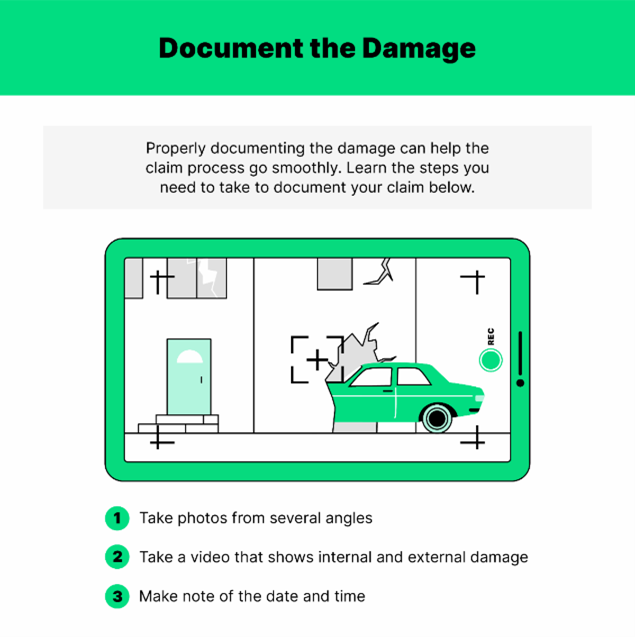
1.   Document the Damage: Take detailed photos and videos of the damage before any repairs are made.

2.   Get Estimates for Repairs: If possible, get repair estimates so you have an idea of the cost.

3.   Review Your Policy: Ensure the damage is covered under your policy and check your deductible.

4.   Contact Your Insurer: Once you’ve gathered the necessary documentation, contact your insurance company to report the claim.


Final Considerations:
 

·    Impact on Premiums: Keep in mind that filing claims, especially for minor issues or frequent claims, can lead to higher premiums in the future. Some insurers may also increase your rates or decide not to renew your policy if you file too many claims.

·    Claim Limits: Be aware that some insurance policies have limits on how much they will pay for certain types of damage, such as roofing or personal property.


What Do The Experts Say?


The insurance environment is tough right now, with lots of rate increases and non renewals. Here is what some of our local experts recommend:


Lauren Phillips, Phillips Insurance Solutions: I’ve seen a lot of changes in insurance in the last 5 years and now, if it was feasible for me to pay out of pocket for the repairs and avoid filing a claim I would. https://phillipsinsurancesolutions.com/


Whitney Provance, Southern States Insurance: A homeowners policy is there for a catastrophic loss. If we can avoid some of these maintenance type claims (for example, appliance leaks) we might see insurance level out some. Being an agent in this market is not for the weak and the rules are getting strict. https://southernstatesinsurance.com/


Josh Bagby, Providence Insurance: I would also stress that the type of claim matters, too. Water and theft claims are highly frowned upon in the industry. If at all possible, to avoid filing those, I’d recommend it. The weather related claims aren’t a huge issue. Typically, 1 of those every 3 years isn’t a big deal, and having a new roof is something every carrier wants to see, but we have several carriers that won’t even offer a quote if you’ve had a water claim in the last 5 years.


It’s not that you can’t find coverage if you file the claim, someone will insure you, but the competition dwindles, which means the rate you’re offered goes way up. If you file a $5,000 water claim with a $2,500 deductible, you’ll absolutely pay more than the $2,500 a carrier pays out for you in premium back to them over the next 3-5 years.


Be proactive. Check your appliances, and make sure the hoses are connected well and in good shape. If your water heater is aging, you might go ahead and replace it. I don’t understand the pipe busts being held against you, there’s not much you can do, but whatever data the carriers look at tells them more claims are coming so they charge for it or hold it against you. https://providenceprotects.com/


Cassandra Bickel, Realtor ERA Sunrise: My rule of thumb is if it is not at least 2x my deductible, it's not even a thought. Probably closer to 3x or 4x. I have the money in my emergency fund. Not worth the red tape, hoops, restrictions. I can hire who I want and get it done quickly. Now, if it's something like a fire, a tree crashing through my house... then yes, I want that insurance there. But I would rather keep my insurance low, and pretty much self insure. This is my personal preference. I cringe when I see someone talk about making a claim for $1000.https://keytogeorgia.com/


Billy Sanford, The Sanford Group: Roof claims are generally well worth the trade off, whereas theft & water claims can hurt you worse than the $ amount reimbursed by your carrier. Fire claims have a big negative impact too, but most insurers don’t have a choice there. https://thesanfordgroup.net/


I Was Floored By Enhance
 

From Larry in Woodstock:


“I’m patting myself on the back for finding Enhance!! Sandy listened carefully and provided a focused range of options meeting our wants. Could not have asked for a more professional installation crew. Love the job they did and really appreciate their respect for our home. Thanks for a first class experience. “


We appreciate the great review, Larry. We enjoyed working with you! Enjoy your new hard wood floors.


How Much Does It Cost?


We installed prefinished hardwoods for Larry in his living room and dining room. He chose a 5" wide plank oak in the color Saddle. The area was approx 400 square feet and the price was a little over $4900, including removing the carpet and pad, some necessary floor prep, moving the furniture and new shoemold and transitions.